Our Story — Malaria Gin
An epidemic. An unbearably bitter remedy. And an act of ingenuity that ended up inventing the most famous drink in the world.
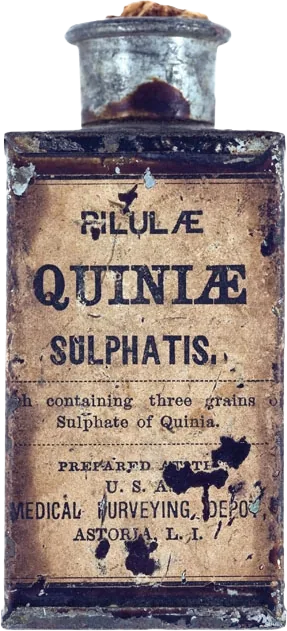
Quinine, drawn from cinchona bark, was the only remedy against malaria. And it was so bitter almost nobody could stomach it.
To make it bearable, soldiers mixed it with soda water, sugar and gin. Pure improvisation: necessity and ingenuity in the same glass.
Out of that mixture came, with nobody planning it, the most famous cocktail in history: the Gin & Tonic.
Necessity became ritual. The difficult became extraordinary.
Anthocyanins that react to pH. The acidity of the tonic lowers the pH and triggers the shift from blue to magenta. No colourings, no tricks.
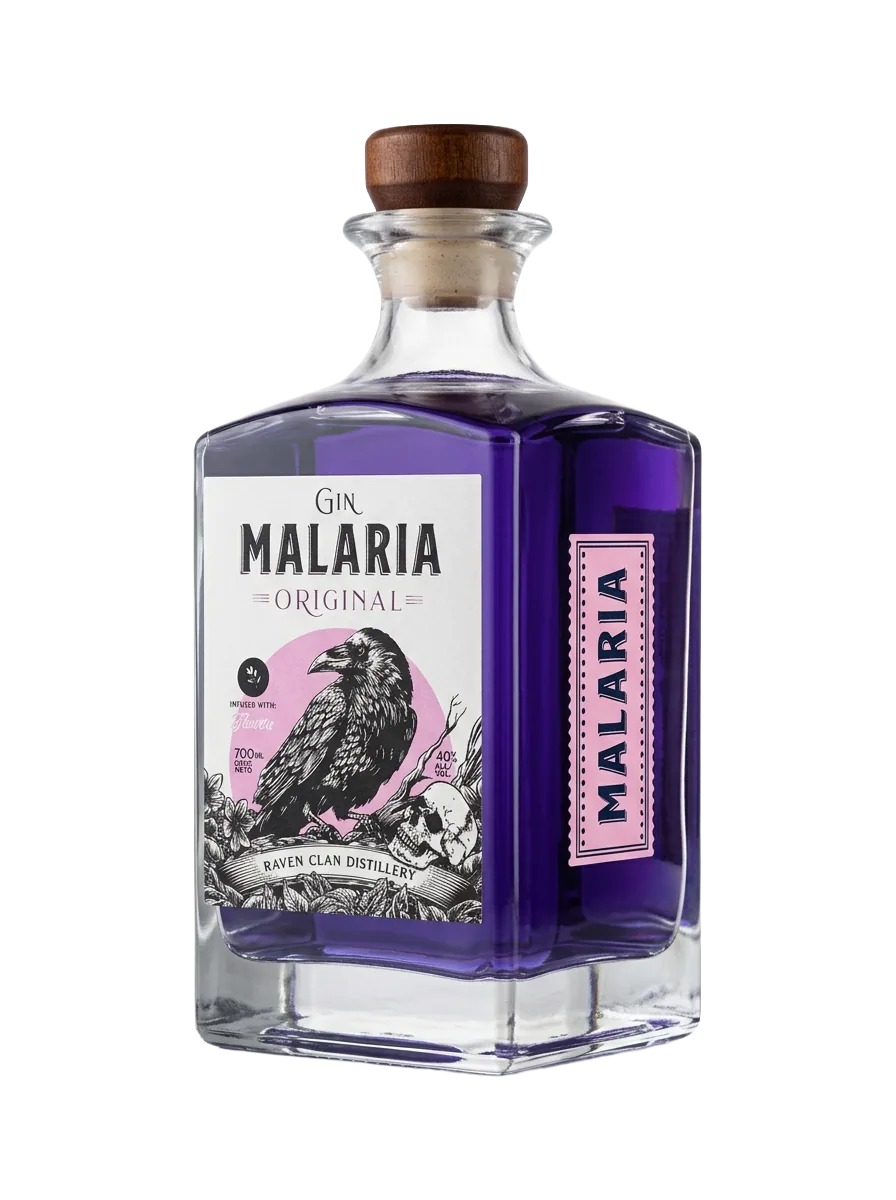
Seventeen botanicals,
four continents
A blend of natural flowers drives the profile and is what actually produces the colour. Every botanical earns its place by what it brings to the palate — nothing is decorative.
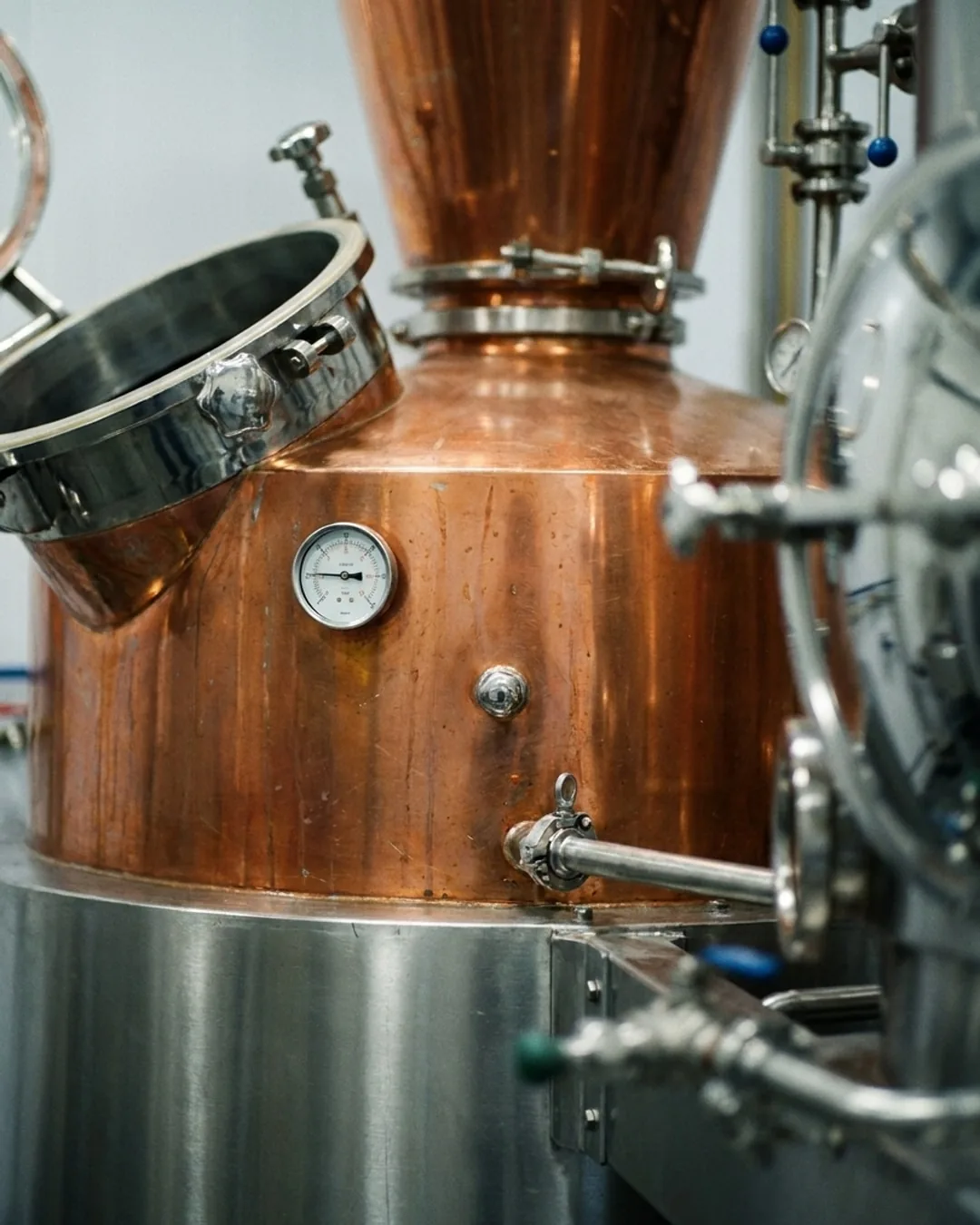
We work in small batches, in a copper still, cold-infusing the flowers after distillation so the anthocyanins stay intact.
From Mar del Plata to the world
Seven friends with one idea: to create sensory experiences that stay in the memory. In every batch we recycle water and cut waste, because an extraordinary gin should also look after the place where it is enjoyed.
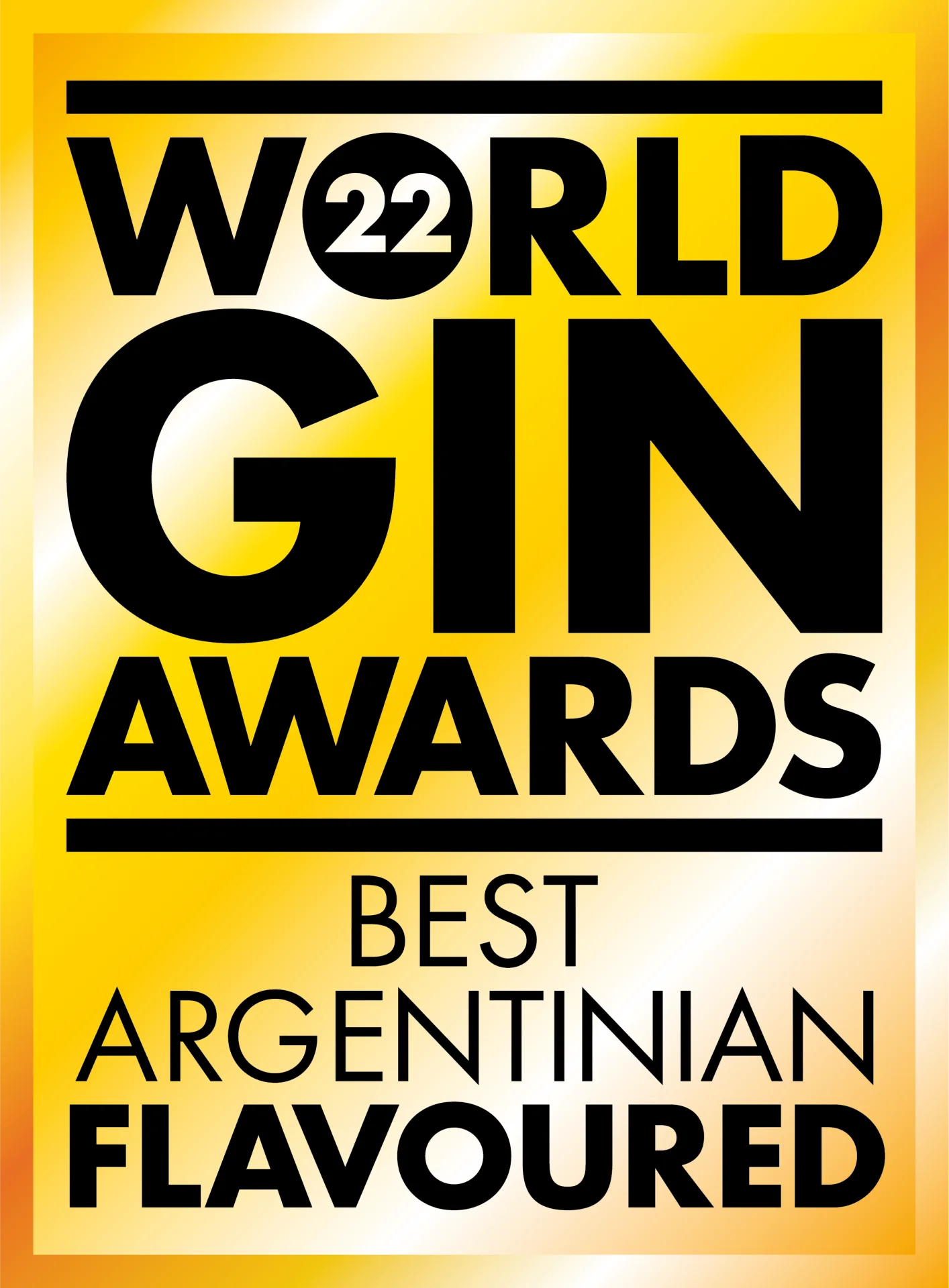
Eleven international awards
World Gin Awards · IWSC · Bartender Spirits Awards · CWSA



Explore your senses
It started in 1840 with a bitter cure. It ends in your glass, turning from blue to magenta.